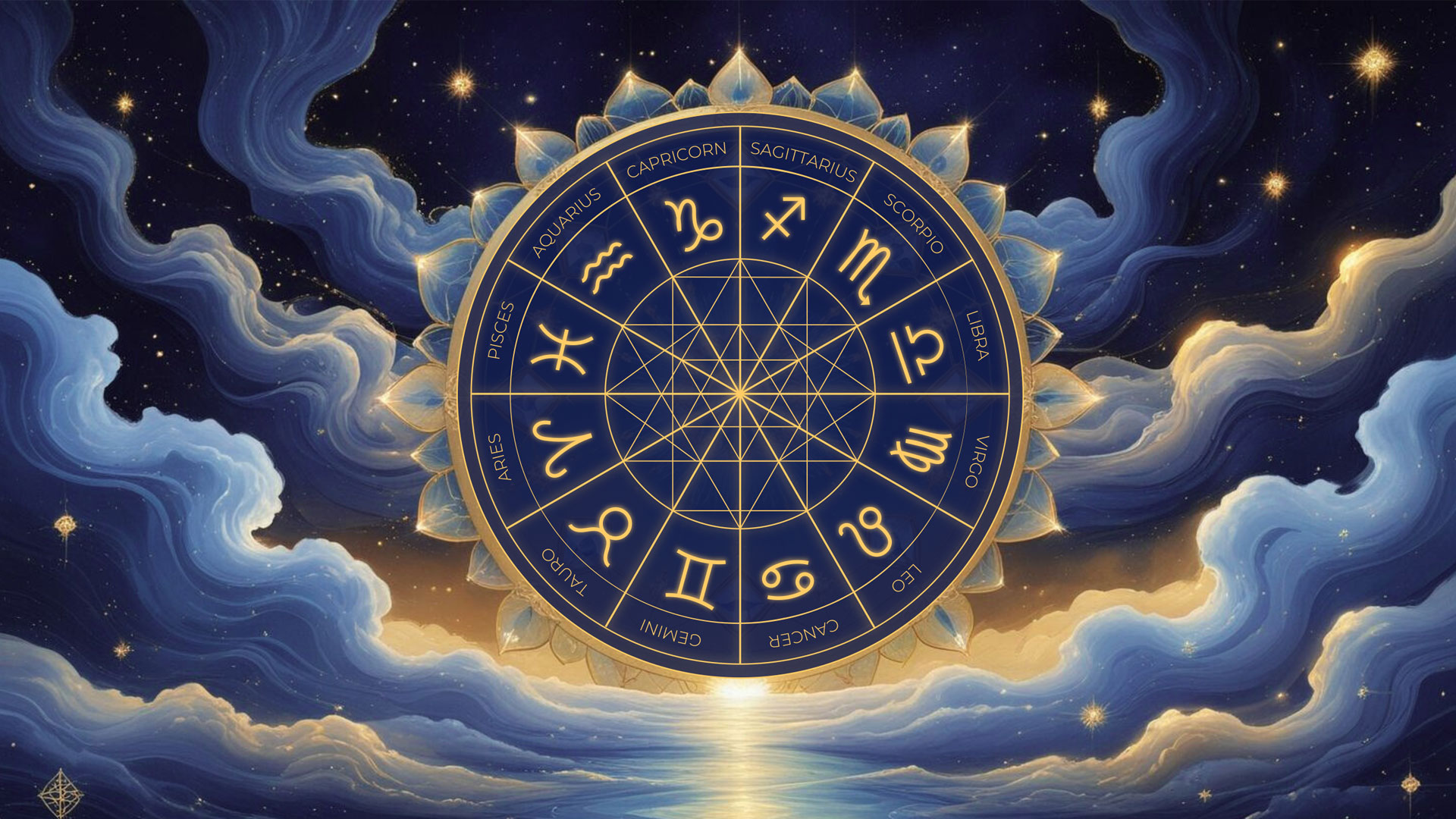
Vedic Astrology is an ancient Indian science that provides deep insights into your life’s journey and potential. Through detailed analysis of your birth chart (Kundali), we examine the planetary positions at the time of your birth and their ongoing influences on your life. Rupak Mehta’s expertise in Vedic Astrology combines traditional wisdom with contemporary understanding, offering you practical guidance for modern life challenges.
During a consultation, we explore your career prospects, relationship patterns, financial possibilities, and spiritual growth opportunities. Using advanced predictive techniques, we can help you understand upcoming life phases and how to make the most of favorable periods while navigating challenging ones. Each session includes personalized remedial measures, such as gemstone recommendations, mantras, or specific practices to harmonize planetary energies affecting your life. Whether you’re facing important decisions, seeking clarity about your life’s direction, or simply wish to understand yourself better, our Vedic Astrology consultations provide the insights and guidance you need to move forward with confidence.
Why you need Vedic Astrology
- Gain clarity about your life path
- Understand your strengths and challenges
- Make informed decisions about career and relationships
- Navigate life transitions with confidence
Benefits of Vedic Astrology
- Detailed birth chart analysis
- Predictive guidance for future planning
- Remedial solutions for challenges
- Career and relationship insights
- Spiritual growth guidance
Unlock Your Cosmic Blueprint
Understanding Vedic Astrology
Vedic Astrology: A Deep Dive into the Ancient Indian System
Vedic astrology, also known as Jyotish or Indian astrology, is a traditional system deeply rooted in the Vedas, ancient Hindu scriptures. It is considered one of the six auxiliary disciplines connected with the study of the Vedas.
Key Concepts and Principles
- Sidereal Zodiac: Vedic astrology utilizes the sidereal zodiac, which is based on the actual positions of the stars and constellations, in contrast to the tropical zodiac used in Western astrology, which is based on the Sun’s seasonal position.
- Birth Chart (Kundali): At the core of Vedic astrology lies the birth chart, a celestial map of planetary positions at the time of an individual’s birth. This chart provides insights into their personality, strengths, weaknesses, and life path.
- Planetary Influences (Grahas): The nine planets (Navagrahas) hold significant importance in Vedic astrology: the Sun (Surya), Moon (Chandra), Mars (Mangal), Mercury (Budha), Jupiter (Brihaspati), Venus (Shukra), Saturn (Shani), Rahu (North Lunar Node), and Ketu (South Lunar Node). These celestial bodies are believed to influence various aspects of life, with each planet having its own unique characteristics and impact.
- Houses (Bhavas): The birth chart is divided into 12 houses, each representing different areas of life, such as self, family, relationships, career, and spirituality.
- Nakshatras (Lunar Mansions): These 27 star constellations play a vital role, offering deeper insights into character, behavior, and life path.
- Dasha System: A unique predictive technique in Vedic astrology, the Dasha system divides a person’s life into specific planetary periods that influence their experiences during different life stages.
- Karma and Destiny: Vedic astrology emphasizes the role of karma, suggesting that past actions influence present and future life experiences. It offers insights into karmic patterns and helps individuals navigate their life journey with greater awareness.
Branches of Vedic Astrology
Vedic astrology encompasses several branches, each focusing on specific areas of life:
- Siddhanta (Astronomy): Focuses on the astronomical calculations and applications related to astrology.
- Samhita (Mundane Astrology): Deals with predicting events related to countries, including political events, natural disasters, and economic trends.
- Hora (Predictive Astrology): This major branch encompasses various sub-branches like Natal Astrology (Jataka), Electional Astrology (Muhurta), and Horary Astrology (Prashna), focusing on individual predictions.
Predictive Techniques
Vedic astrologers utilize several techniques for making predictions:
- Birth Chart Analysis (Janma Kundali): The foundation of predictions lies in analyzing the individual’s birth chart.
- Dasha System: Helps in understanding the timing of events and their impact based on planetary periods.
- Transits (Gochara): Analyzing the current movement of planets and their interaction with the birth chart to predict current and upcoming events.
- Yogas (Planetary Combinations): Specific planetary alignments or combinations that indicate auspicious or challenging circumstances.
Spiritual Significance: Vedic astrology is viewed as a spiritual science, offering insights into the soul’s journey and life purpose. It helps individuals understand their karmic lessons and work towards spiritual growth and liberation. By understanding the influences of planets and utilizing appropriate remedies, individuals can align with cosmic rhythms and enhance their overall well-being.
Note: It’s important to approach Vedic astrology as a tool for self-discovery and personal growth, rather than absolute determinism. While it offers valuable insights, it’s crucial to exercise free will and make conscious choices to shape your own future. Always consult with a qualified Vedic astrologer for personalized guidance and insights.