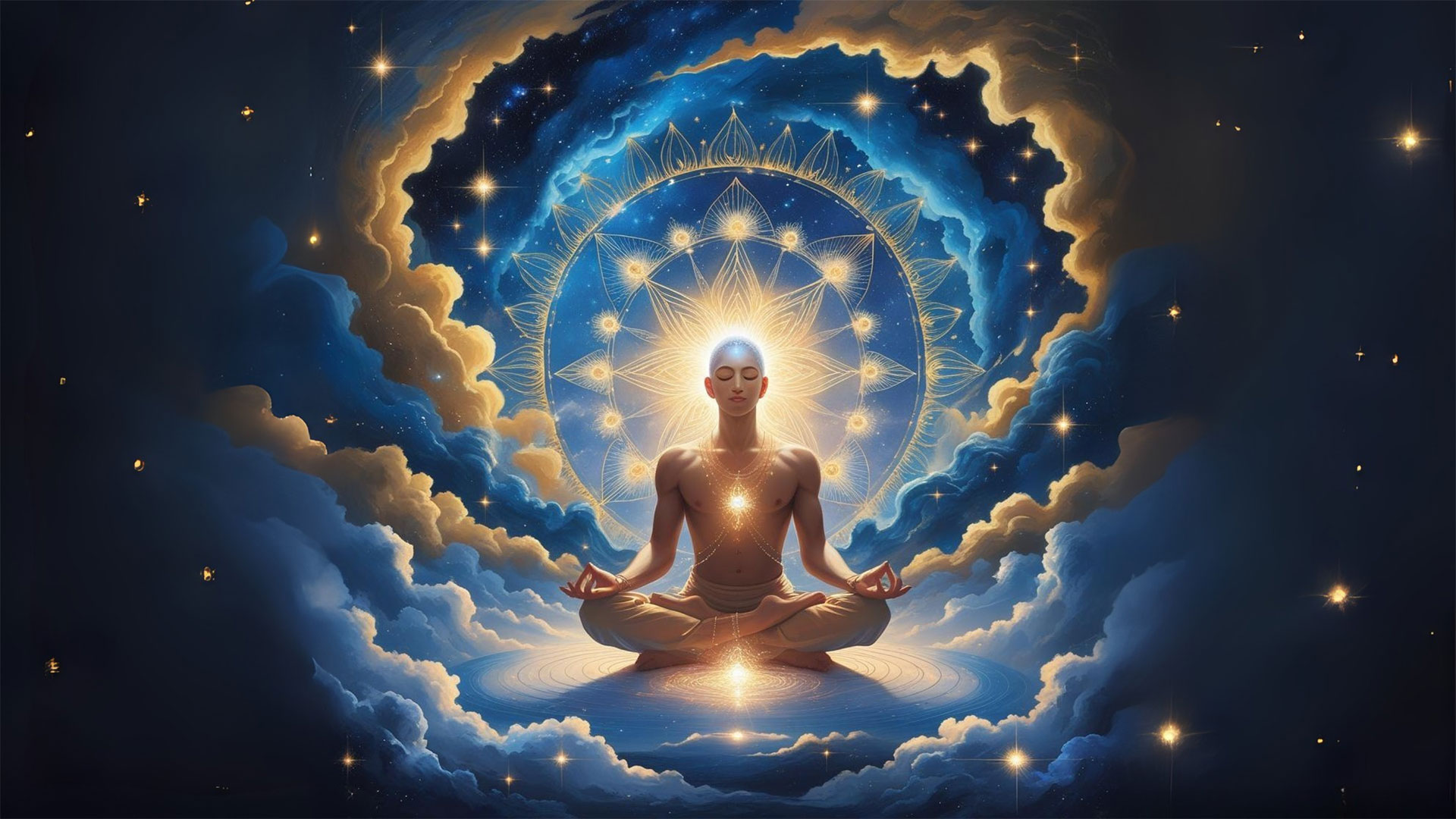
Tantra, often misunderstood in the West, is a profound spiritual practice focused on expanding consciousness and achieving higher states of awareness. Under Rupak Mehta’s guidance, this ancient practice is taught in its authentic form, focusing on spiritual growth, energy work, and personal transformation.
The program includes traditional Tantric practices adapted for modern practitioners, incorporating meditation, breathwork (pranayama), energy alignment, and spiritual rituals. Sessions are designed to help you understand and work with your own energy, develop greater self-awareness, and create deeper connections with both yourself and the universe. This practice is particularly powerful for those seeking to break through limiting patterns, enhance their spiritual connection, and achieve greater harmony in all aspects of life. The approach is holistic, addressing physical, emotional, mental, and spiritual aspects of being, while maintaining respect for traditional teachings and their practical application in contemporary life.
Why you need Spiritual Tantra
- Deepen your spiritual connection
- Enhance self-awareness
- Transform negative patterns
- Achieve higher consciousness
Benefits of Spiritual Tantra
- Enhanced spiritual growth
- Better relationships
- Improved energy management
- Greater life purpose clarity
Awaken Your Inner Power
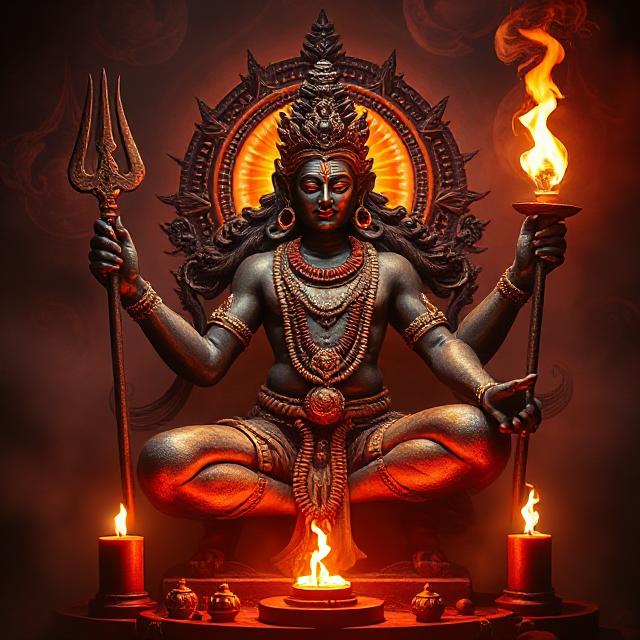
Understanding Spiritual Tantra Practices
Spiritual Tantra practices are diverse and aimed at expanding consciousness and achieving self-realization or spiritual liberation (moksha).
They differ from everyday, often misunderstood interpretations of Tantra, which may focus solely on sexual practices. Authentic Tantra is a comprehensive system that integrates mind, body, and spirit, utilizing various techniques to connect with the divine energy within and around us.
Key elements of Spiritual Tantra Practices
- Meditation: Techniques to quiet the mind and enter deeper states of consciousness, allowing for a connection with the divine. Tantric meditation often incorporates visualization, mantra chanting, and breathwork.
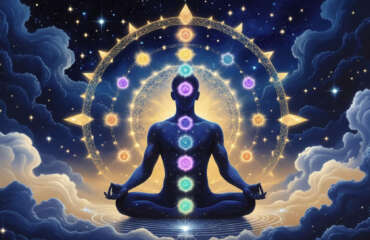
- Yoga: Specific postures (asanas), breathing exercises (pranayama), and mudras (hand gestures) to align the body and mind, activate energy centers (chakras), and awaken dormant spiritual energy (Kundalini).
- Mantras and Yantras: Mantras are sacred sounds that carry spiritual power and help focus the mind. Yantras are sacred geometric patterns used as focal points for meditation, connecting practitioners with specific energies and deities.
- Rituals: Ceremonial practices to honor deities and invoke divine energy, creating a sacred space for spiritual growth.
- Emphasis on the Sacredness of the Body: Tantra views the human body as a temple of the divine and a vessel for spiritual practice. By honoring and tending to the physical body, spiritual growth becomes attainable.
The Goal of Spiritual Tantra: The ultimate aim of Tantra is self-realization and liberation (moksha), where the individual self and universal consciousness merge. Through practice, practitioners aim for a state of oneness, moving beyond the illusion of separation.
Important Considerations
- Qualified Teacher: Guidance from an experienced teacher is highly recommended due to the complexity of Tantra. A guru offers personalized support and instruction.
- Ethical Practices: Authentic Tantra emphasizes ethical conduct and non-discrimination. Seeking reputable guidance helps avoid exploitation.
- Beyond Misconceptions: Tantra is not just about sexual practices or quick enlightenment. It requires dedication and patience.
Note: It’s important to approach Vedic astrology as a tool for self-discovery and personal growth, rather than absolute determinism. While it offers valuable insights, it’s crucial to exercise free will and make conscious choices to shape your own future. Always consult with a qualified Vedic astrologer for personalized guidance and insights.